

Record Better Sound with your DSLR!
DSLR filmmaking is a hobby, passion, and profession that is constantly growing among creative types. But no matter what level you’re operating at, we can all agree that oftentimes built-in camera mics just don’t cut it. If you’re capturing sharp, crisp images, you want audio to match. Trew Audio is currently stocking three excellent XLR shotgun mics, that will far outshine your DSLR’s mic, for less than $300. These mics can be shoe-mounted or suspended from a boompole, providing more versatility than solely camera-mountable mics.
Rode NTG-2
The Rode NTG-2 shotgun microphone is the most obvious choice, considering its flexible powering and supercardioid polar pattern. It can run on 48V Phantom power or one AA battery. An outdated owner’s manual claims that this mic has a battery life of 500 hours, but this spec is suspiciously absent from the current owners manual.
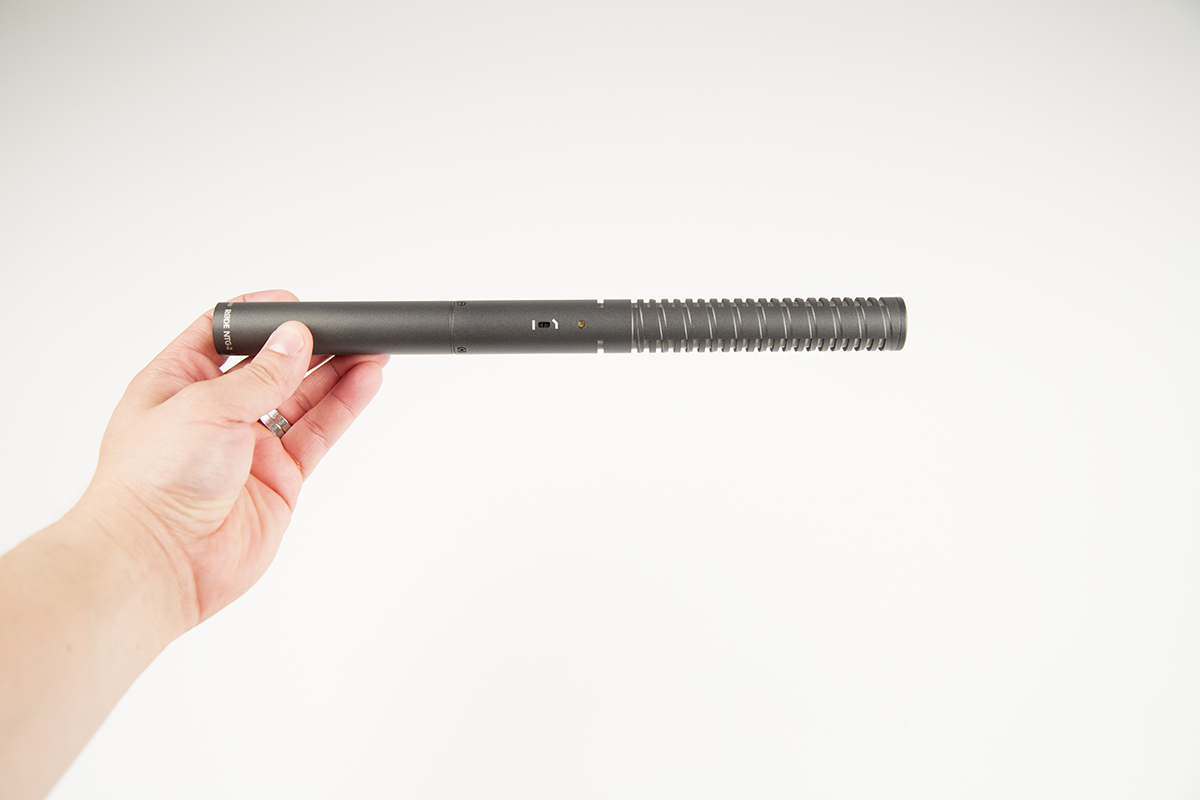
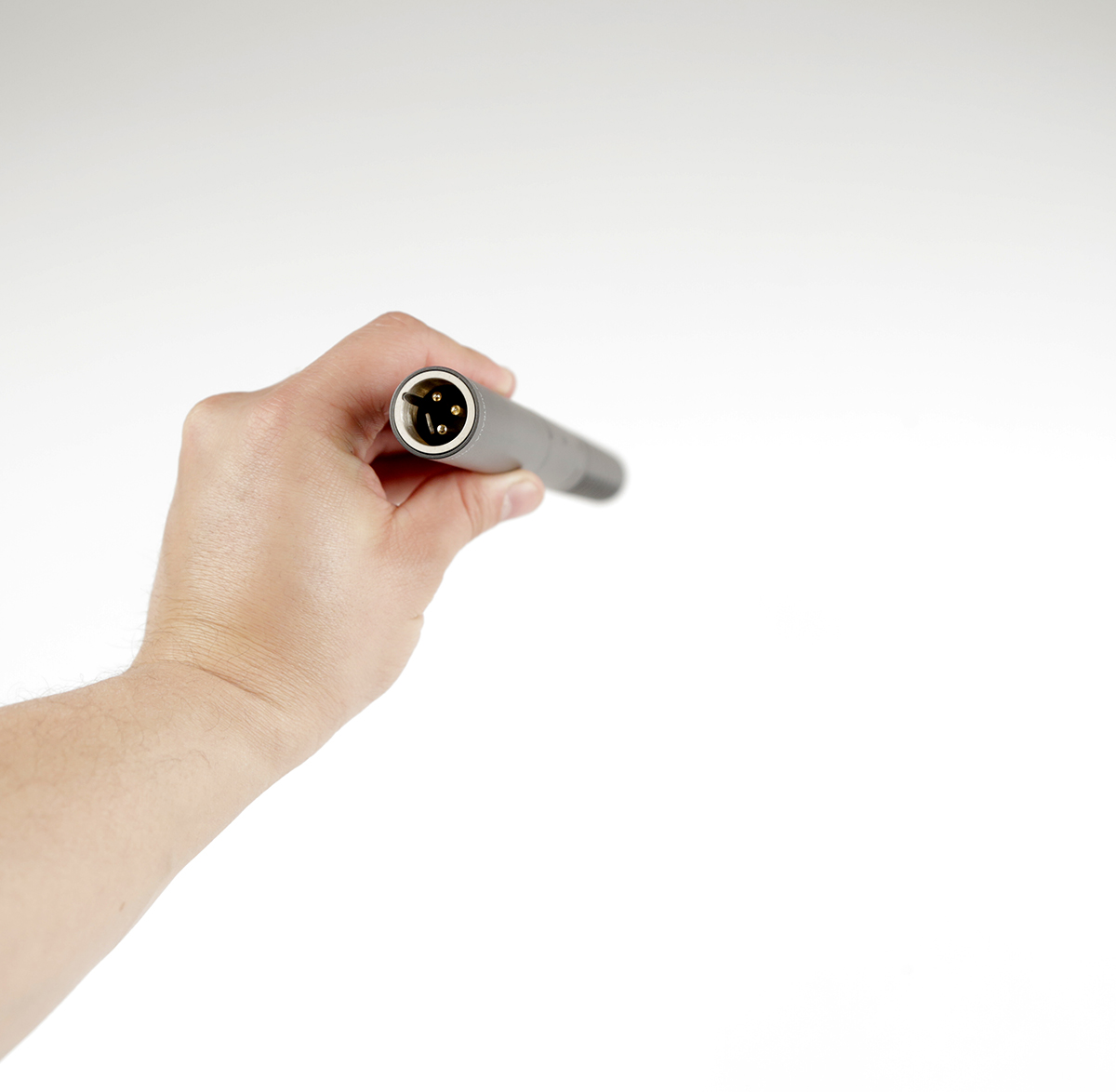
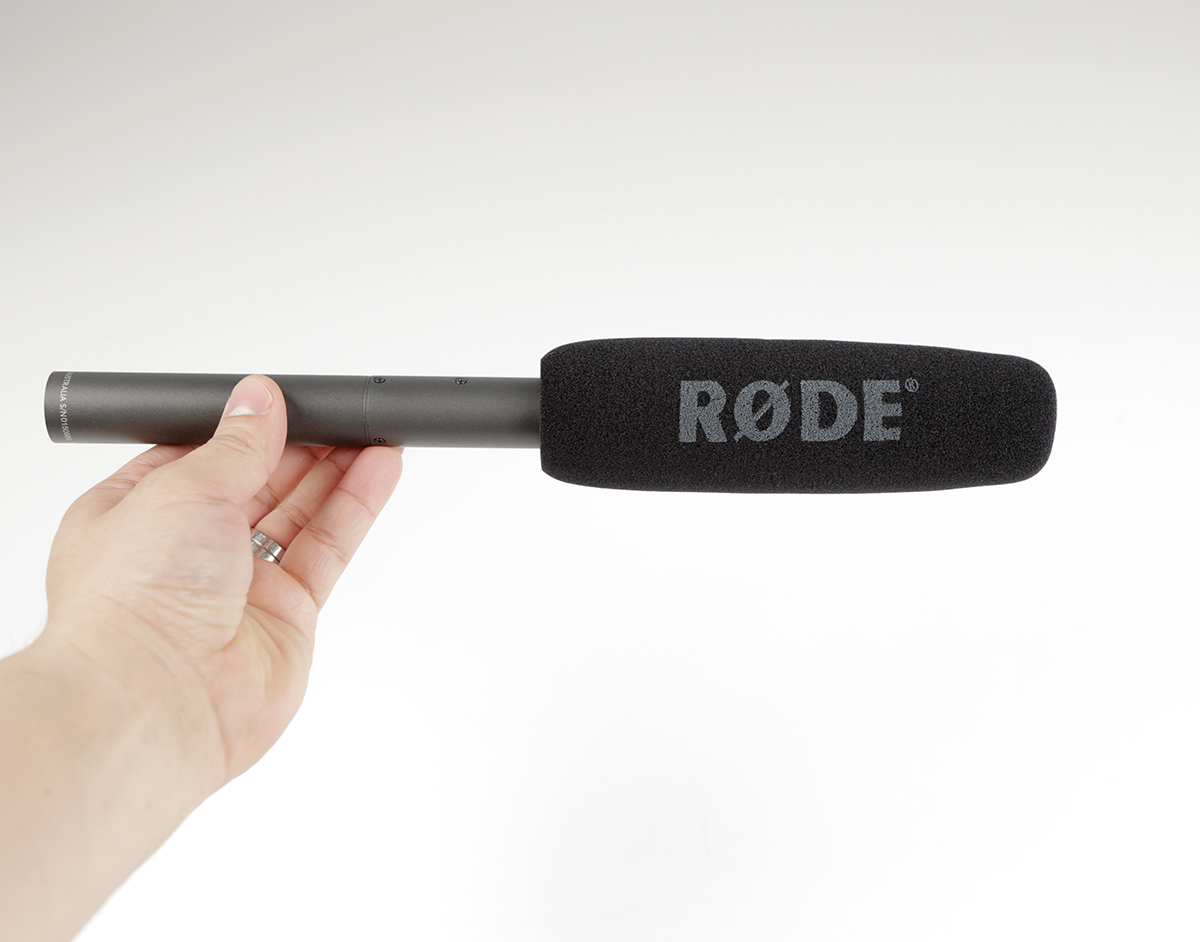
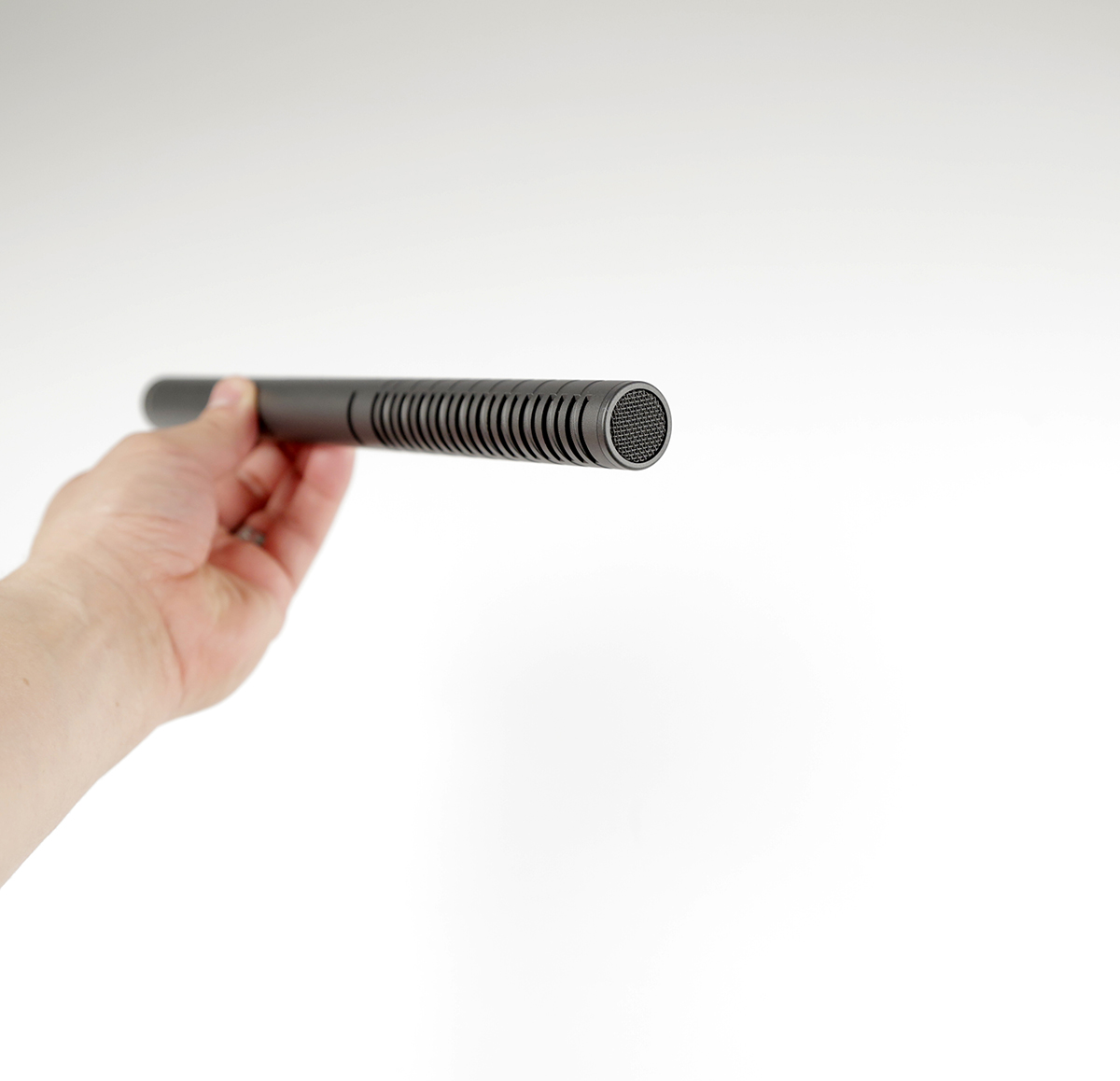
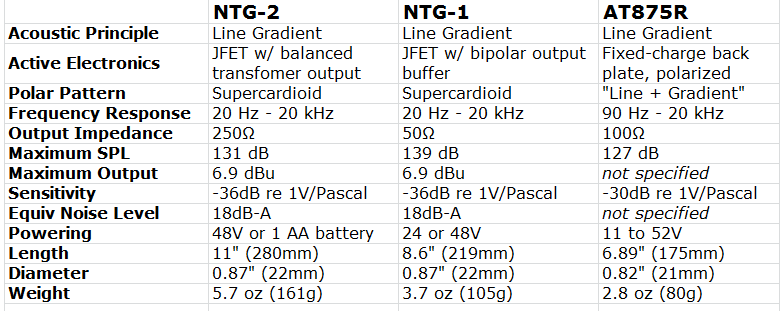
The NTG-2 features a 20 Hz to 20 kHz frequency response with a switchable high pass filter at 80 Hz, allowing you to protect tracks from vibration and rumble noise. The NTG-2 has an 11” body length, 0.87” diameter, and weighs 5.7 ounces. All in all, the optional battery power, 131dB SPL handling, and 250Ω output impedance make it a great mate to a DSLR without the need for an additional preamp or mixer. The NTG-2 sells for $269 and includes a wind shield, stand mount, and zippered pouch.
The next two mics will require an external preamp to connect to a DSLR, however, camcorders offering onboard Phantom power will not. I’ll discuss a couple trustworthy preamp options towards the end of the article.
Rode NTG-1
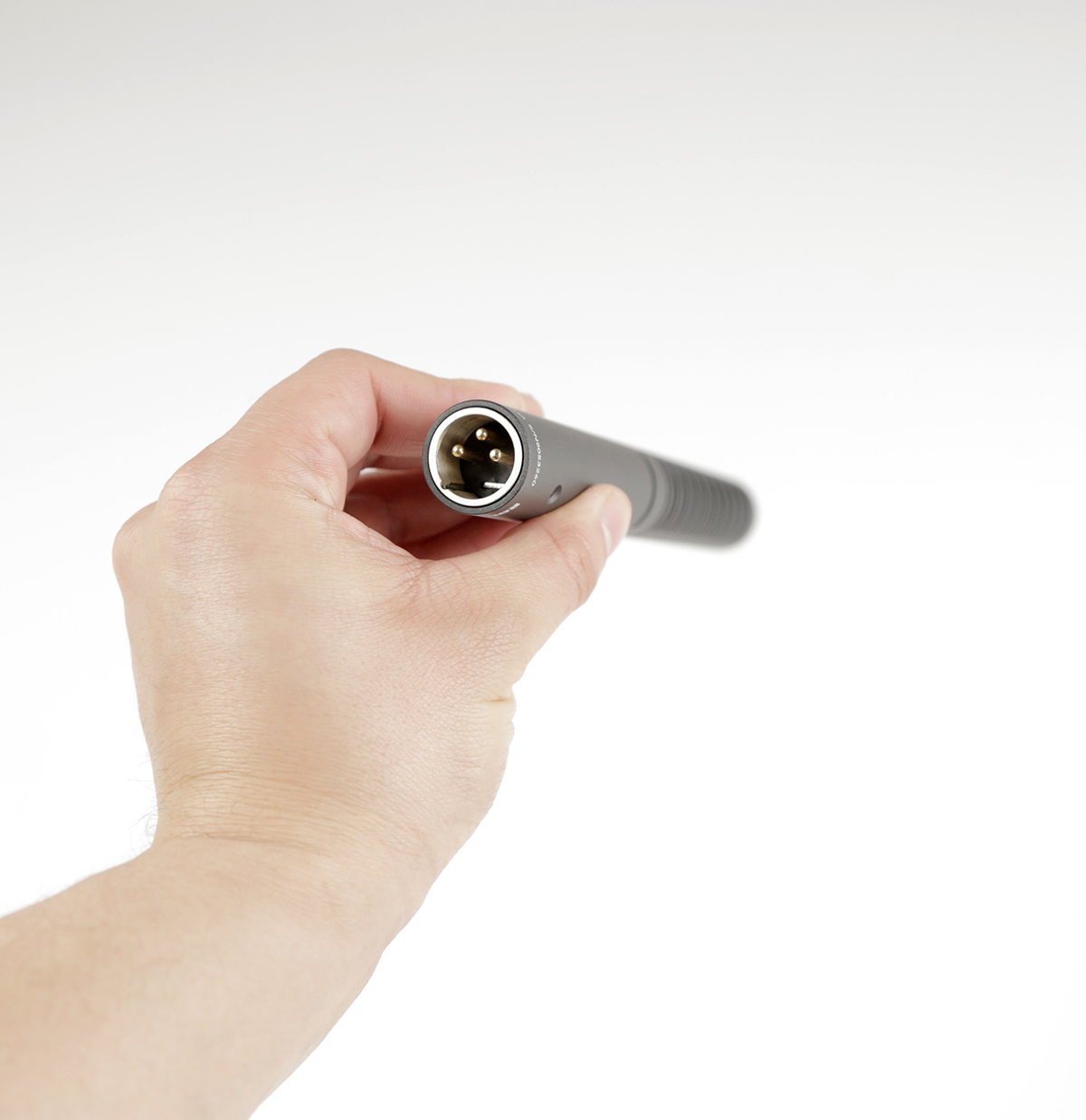
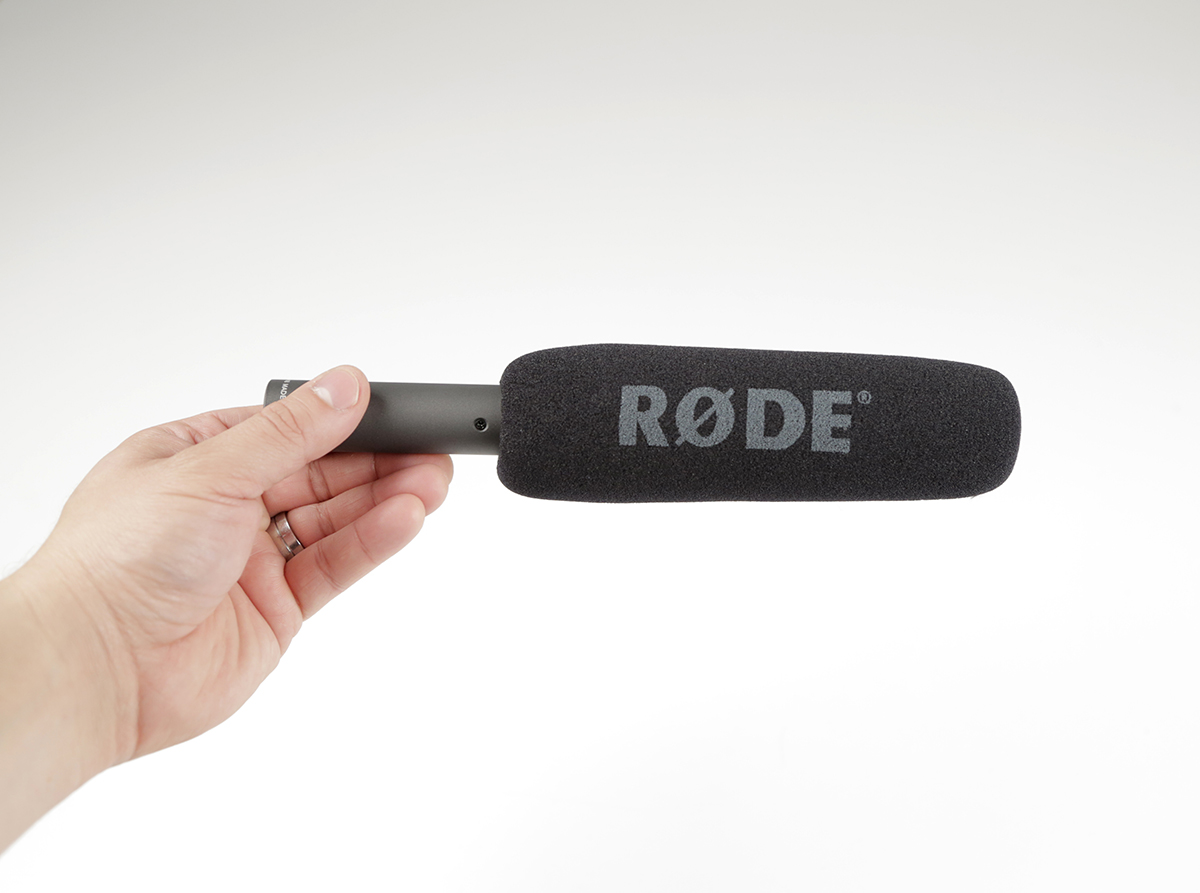
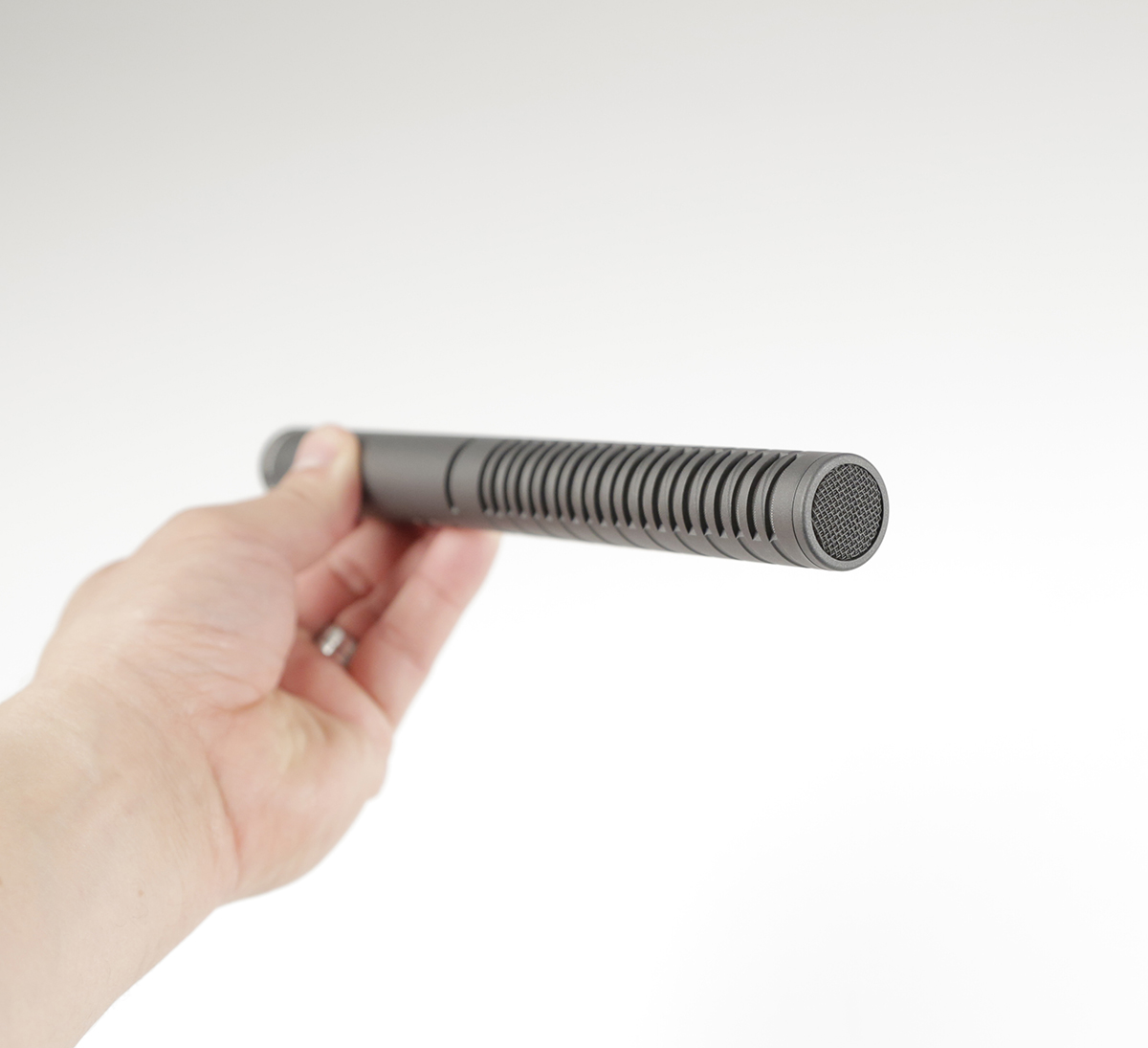
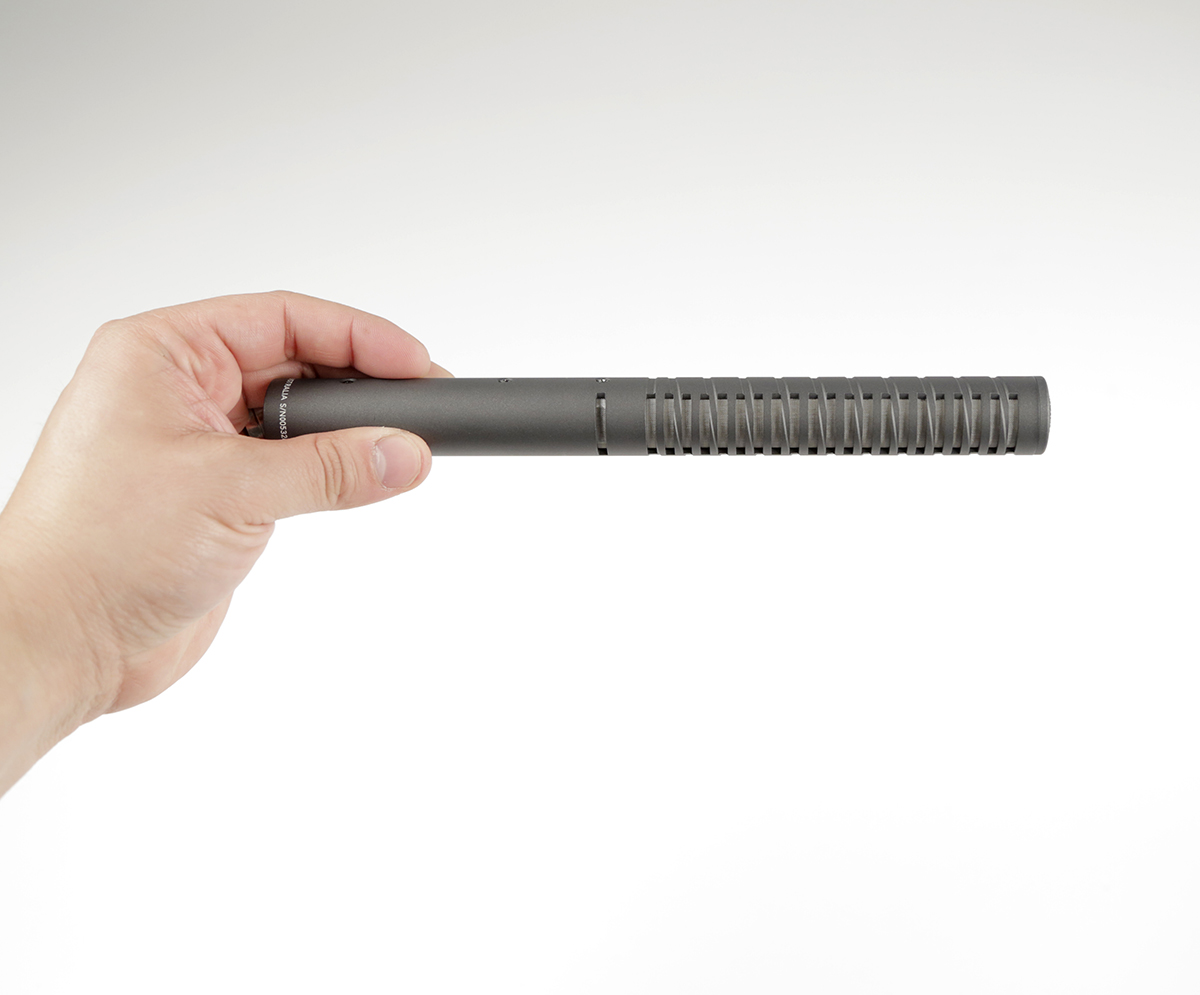
The Rode NTG-1 is a Phantom-powered shotgun microphone with a supercardioid pattern. At 8.6” long, this mic is shorter than the NTG-2 but retains its wide frequency response and switchable high pass filter, while extending SPL handling up to 136dB. The NTG-1 can accept either 24 or 48 volts of power, weighs 3.7 ounces, and provides a hardy 50Ω output impedance. Including wind shield, stand mount, and zippered pouch, the NTG-1 goes for $249.
Audio-Technica AT875R
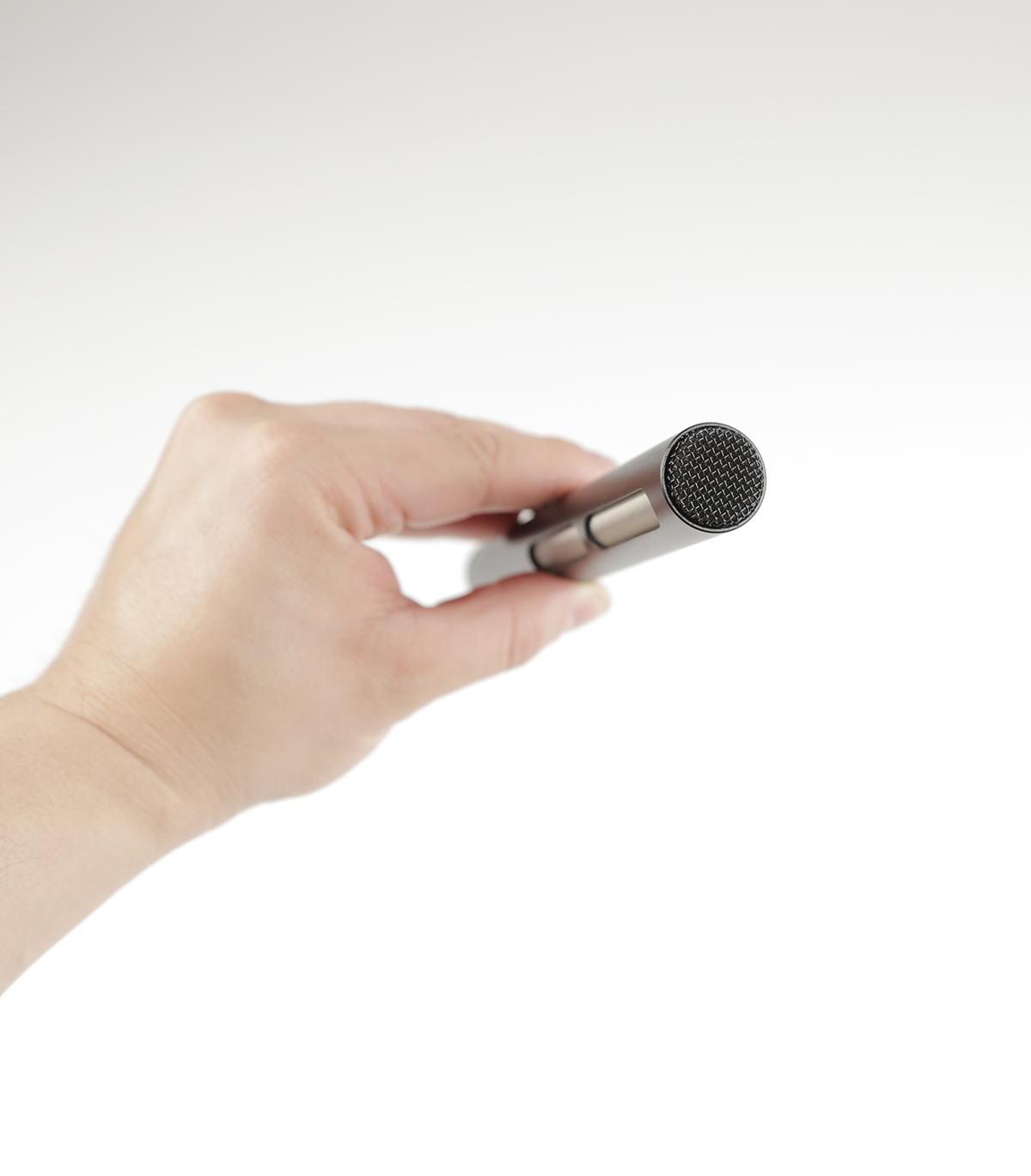
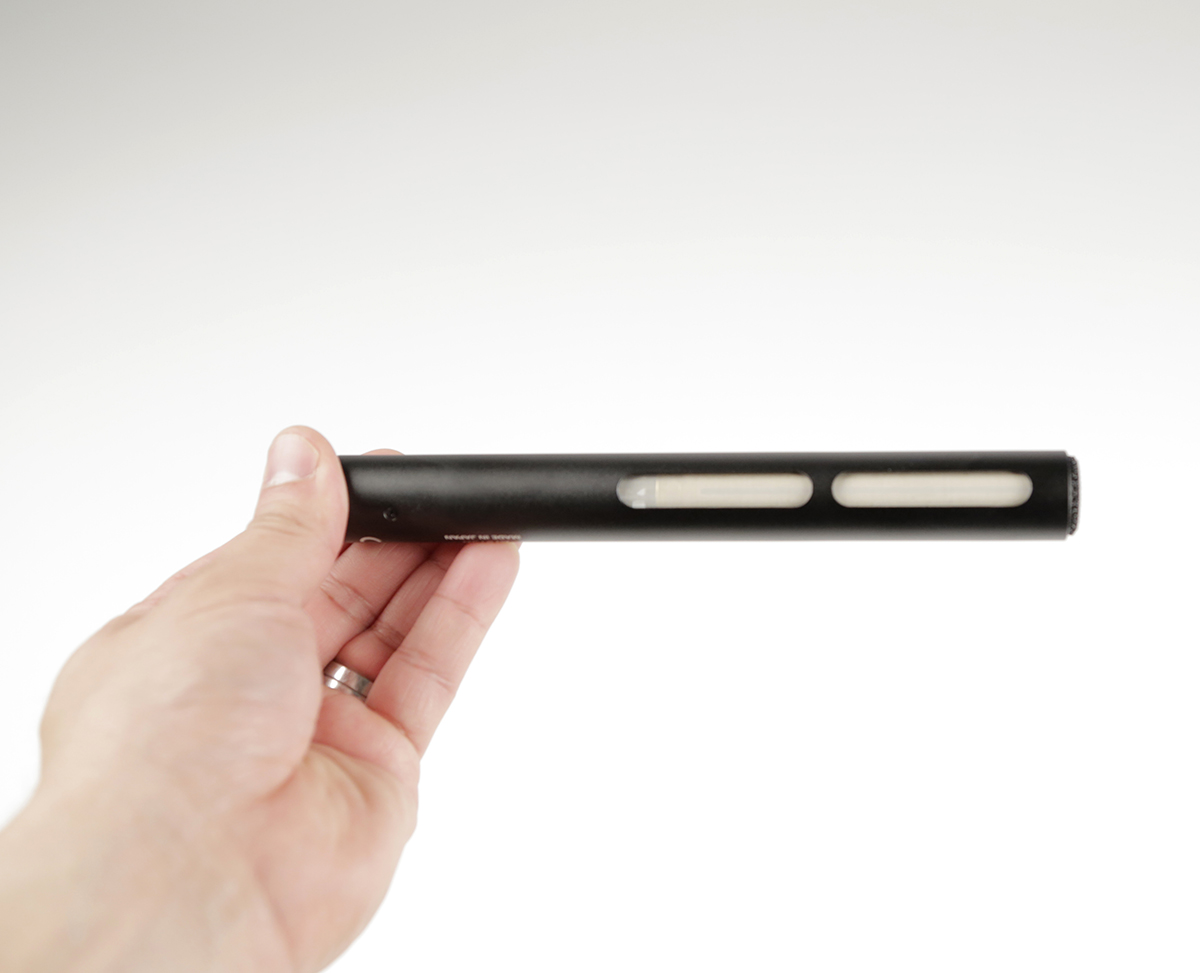
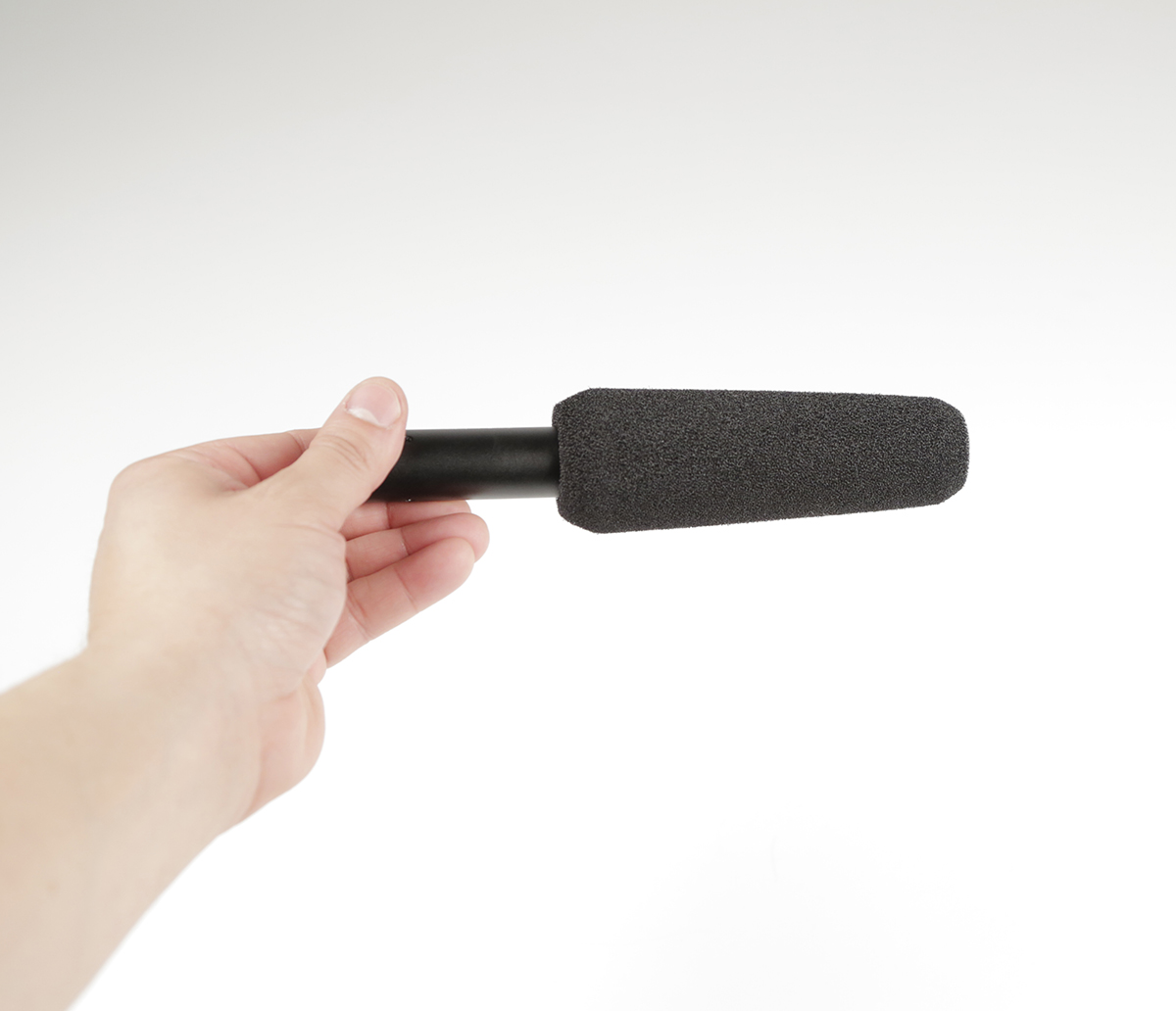
The Audio-Technica AT875R shotgun microphone features a shorter interference tube and a wider, more forgiving polar pattern. For maximum flexibility, it accepts Phantom powering between 11 and 52V and handles up to 127dB SPL. The AT875R’s permanently polarized condenser element features an integrated roll-off, sharply curbing frequencies below 90 Hz. This cut is not switchable, so the AT875R is not an ideal microphone to record sources with component low frequencies. Measuring 6.89” long, with a 0.82” diameter, and weighing only 2.8 ounces, this Audio-Technica has a lot of convenience to offer. The AT875R sells for $217.50 and includes a mic clip, windscreen, and pouch.
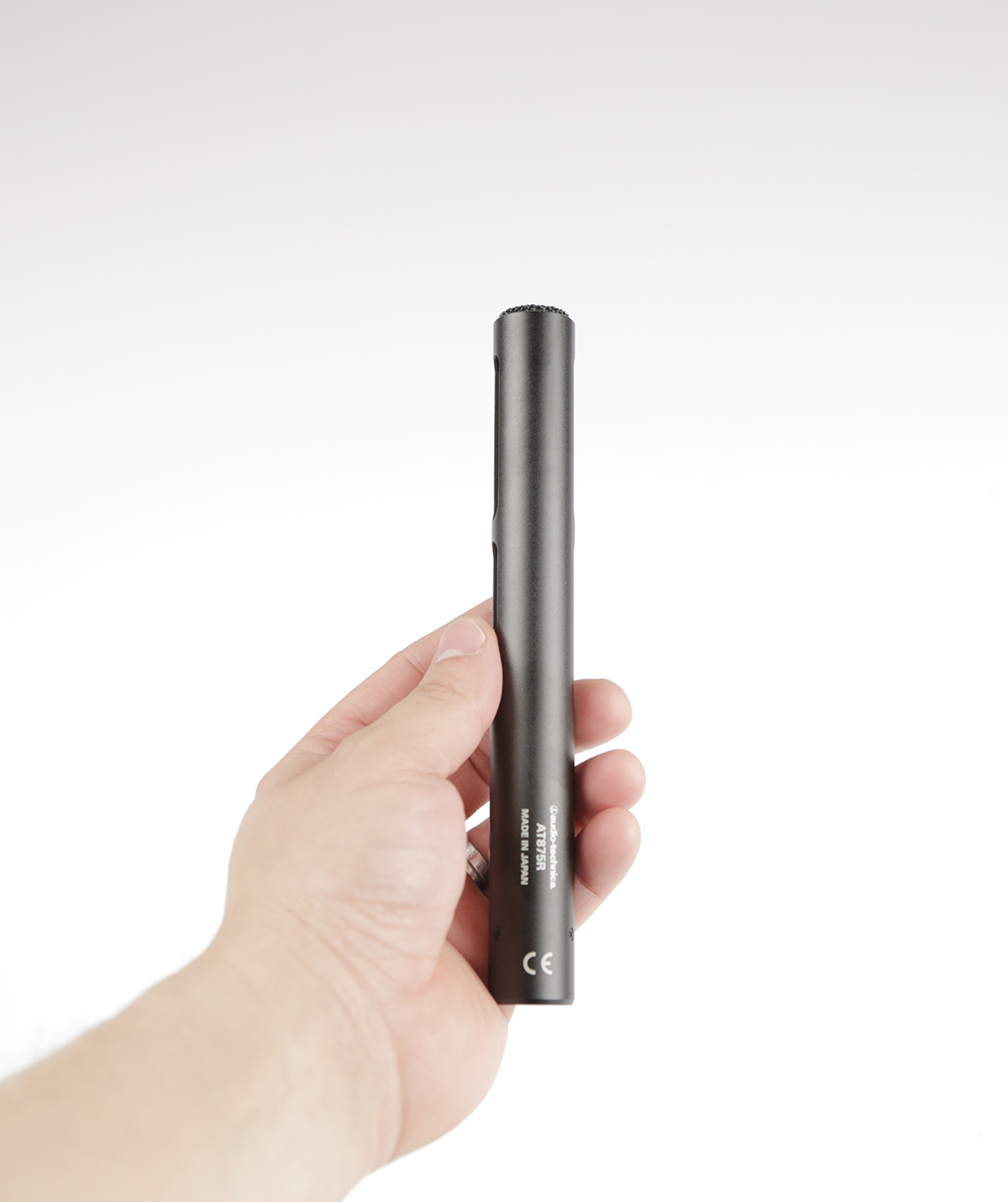
On a side note, I submit that the main reason why there’s no “renowned and beloved” Audio-Technica mic is the redundant AT that begins all of their model names. I mean, wouldn’t you like the RE20 a little less if it was formally called the Electro-Voice EVRE20? A bit of microphone comedy there, folks.
Preamps
Moving on, let’s talk preamps. As I mentioned earlier, if you were to connect the NTG-1 or AT875R to your DSLR using only a XLR-F to 1/8” TRS cable, you wouldn’t get any sound. Why not? These mics require Phantom power, which is quite different than the Plug-on power that some DSLRs provide. An external preamp will also provide cleaner, quieter gain than your camera’s input. JuicedLink provides two cost-effective preamp solutions that will allow you to connect any Phantom powered mic to your DSLR.
 At $329, the Riggy-Micro RM222 is a no-frills, low-noise 2-channel preamp made to interface XLR sources to 1/8” inputs. Beyond Phantom power, the RM222 offers Audio Bracketing, a feature that creates a -16dB backup track in case of overages on the main track. Additionally, each channel has mic/line switches as well as hi/lo gain options. The RM222’s two inputs can be used in mono or stereo modes. It’s powered by a single 9V battery, has a front panel low-battery indicator, and features very riggy mounting options.
 Only increasing the cost to $399, the Riggy-Assist RA222 adds 4-segment level metering, AGC disable, and a headphone jack. If you have the budget, this $70 upgrade is well worth it.
If you’re filming content that you care about, make the effort to accompany beautiful imagery with great sound. It will only improve how your product is received. Any of the three mics mentioned will offer a serious sound quality improvement over your camera’s built-in mic. The addition of a high-quality external preamp will take things one step further, providing you with a better signal-to-noise ratio.
I hope you’ve all learned something about the relationship between XLR shotgun mics and DSLR cameras. If you have any further questions, contact a member of our sales staff or drop me an email. Happy shooting!
PS – Here’s a quick comparison chart if you’re interested.
I like this post, but I am a newbie. What camera do you recommend as best entry level DSLR? Thanks.