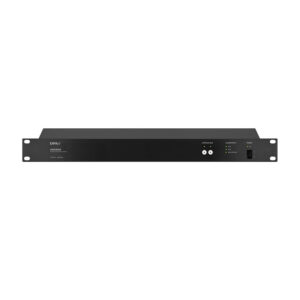
DPA N-DR1 Dual Channel Digital Wireless Receiver
The DPA N-DR1, the dual channel receiver of DPA’s N-Series, uses true radio diversity: each of its two antenna inputs feeds its own radio, rather than one radio switching between antennas. Each unit covers 470 to 870 MHz, with 126 dB of true dynamic range and 2.9 ms latency.
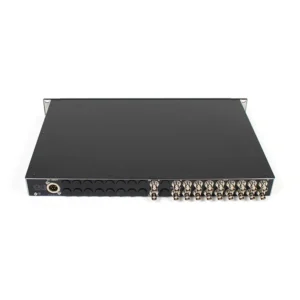
Dante output is standard, as a single connection or with primary and secondary ports for redundancy. Staying in the digital domain avoids the signal loss and added latency of converting back and forth. The version with analog outputs adds them beside Dante, switchable between line and mic level, with the analog reference set from the receiver menu.
AES256 encryption keeps the audio private, as corporate and government work requires. Channels need only 500 kHz spacing, with no intermodulation products between transmitters, so the system can pack up to 800 channels where spectrum allows. LAN control has a built-in switch for loop-through, and the antenna inputs power active antennas and loop through to another receiver.
Features
- Two channels with true radio diversity
- 470 to 870 MHz in each unit
- 126 dB true dynamic range
- Dante output, switched or redundant
- Optional analog outputs
- AES256 encryption
- Antenna inputs power active antennas, with loop-through
- LAN control with built-in switch